Welcome to the blog book club. Today’s post closes out 2014. We’re talking about the Hazard System v.02 on the Necropraxis blog by Brendan S. This is an iteration of the overloaded encounter die we talked about a few weeks back. It should be noted that while not included in our blog club, Brendan continued to modify the hazard system as seen here: Hazard System v0.3 | Necropraxis
Next week we’ll be reading Our Infernal Neighbors from John Laviolette’s blog The Nine and Thirty Kingdoms.
A few weeks back, I was really singing the praises of the overloaded encounter die. One might think I would welcome its expansion beyond the dungeon as this post explore its use in safe havens, camp sites, and wilderness. But not so fast! I don’t use any of this junk (at least I haven’t yet).
I’m not familiar with other GMs implementing this system in the same way that I have seen multiple takes on overloaded encounter dice. Perhaps, people’s ideas of dungeons environments behave similarly. Approaches become more divergent when you get to wilderness and beyond perhaps mirroring the splits between basic and expert, and later advanced versions of the game.
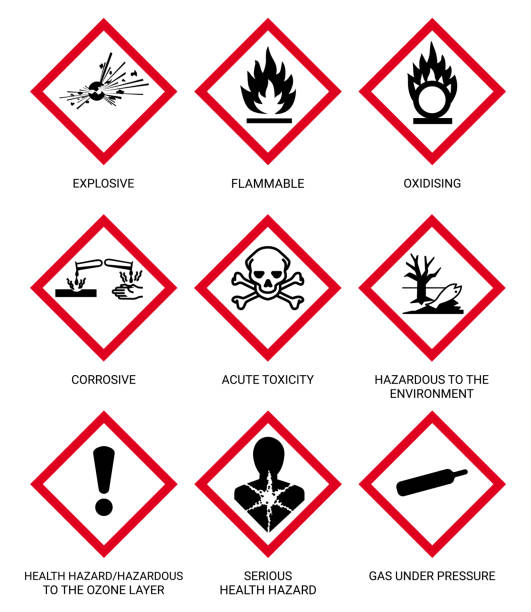
There are many dangerous hazards adventurers might face
The Blogosphere is filled with viral ideas to improve old school fantasy games. From my perspective it seems like only the initial version gets traction. Designers keep iterating away but rarely succeed in supplanting the first version of their idea that takes off (we’ve discussed this a bit with 6 mile hexes, inventory slots, and usage dice).
Why is this the case? I’m really not sure. For me, when a house rule starts feeling like a house system I’m a lot less likely to throw it into the stew lest the new flavor overpower everything else and dominate the game. It could just be that most attempts to perfect a particular rule make them more complex, which is then rejected by the rules-lite audience. These are just some theories. I’d love to read about yours if you have one.
So what’s the legacy of the hazard system? Well I think it shows that when you take mechanics in new contexts sometimes people will only meet you half way. Knave 2e has traveling and delving hazards. Cairn has dungeon and wilderness events. Ultimately, it seems like many of the current OSR systems aren’t willing to bring this mechanic into towns. I think it might be because you are ceding greater degrees of control in that instance to a random table and the scale of time shifts into the abstact.