Welcome to the Blog Book Club. This week we are discussing, “Why I prefer OD&D” by John Laviolette of The Nine and Thirty Kingdoms.
For those following along next week requires a bit more reading than normal as we dive into an 11 page compilation of posts discussing OD&D Setting Posts in PDF.
You can see a list of previous blog club posts here.
This post offers 9 advantages of OD&D. The common thread between them is simplicity and elegance. We’ve discussed some of these very things last year on our blog club during our discussion of Philotomy’s OD&D Musings.
I can see how the virtues described would be convenient for people running the game and make it easy to learn. But I felt like I was hung up on missing context. What is OD&D being compared to here? Dungeon World? Pathfinder? 4th edition?
I’ve tracked down the original RPGnet thread mentioned in the post if anyone is interested. Here the intended question is what value does OD&D have for completionists who are familiar with later versions of the game? Obviously there’s going to be historical significance if you are interested in tracking the developments of D&D across editions. But that’s a bit outside the scope game so I’ll set that aside. However, I am not compelled by its simplicity either. Over the last 13 years the indie RPG scene has exploded with simple and stylish D&D clones. I wanted to know what brings people back to where it all began.
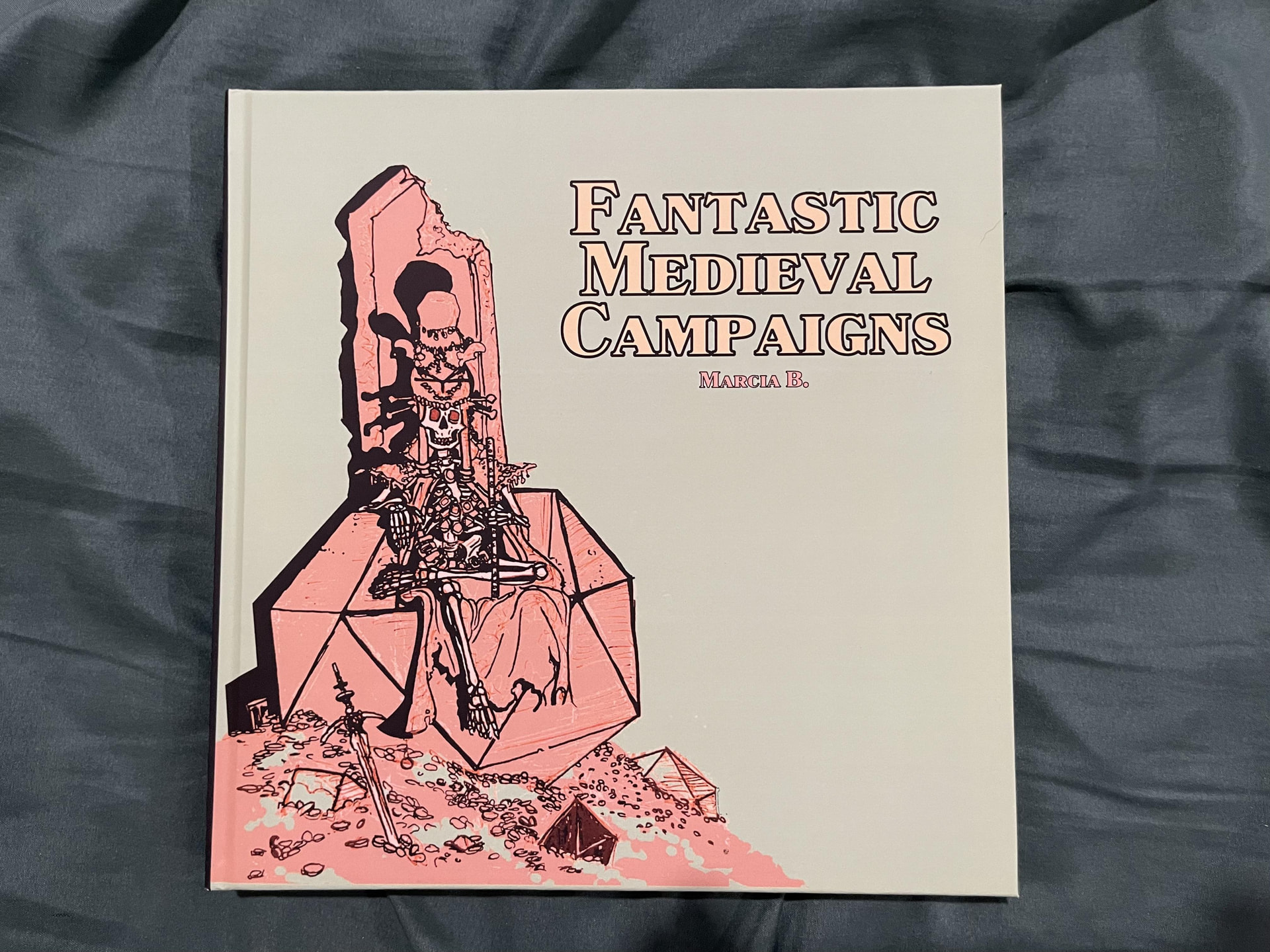
Marcia B has her own take on OD&D
My experience as a player in a homebrewed OD&D game was that the system was light enough to not get in the way of our GM as it allowed him the space and creative freedom to make something truly special and all his own without being hampered by preexisting lore and rules. I admire what the game inspired, but that doesn’t leave me wanting to run the same system. I asked my friend @derekb about this and he told me the modern importance of OD&D is not what it has, but what it’s missing. The incomplete nature of the game provides gaps that allows prospective designers to face a challenge and make the game their own.
Now this rationale made sense to me. Recently, I considered running a campaign of Mork Borg for some friends. The rule system can hardly be described as ‘robust’ but its indisputable that this work has captured many imaginations and spurred creativity through dozens of fan made zines aimed at adding or altering to this scaffolding. Its a full blown phenomenon now with its own corner of the hobby and many permutations. A game’s impact can be much larger than what’s written on the page.
So why OD&D? Its simple and it inspires creativity.
What do you think about OD&D? What’s its role in 2026?